Get Residential Trim Installation
Residential trim installation services help property owners enhance interior aesthetics and address issues with outdated or damaged moldings, baseboards, crown molding, and door or window casings.
Residential trim installation is a common home improvement project that can enhance the appearance and functionality of a property. Property owners in the area might explore this work to update interior or exterior details, improve curb appeal, or prepare a home for resale. Whether considering a subtle upgrade or a more comprehensive renovation, planning ahead and comparing options among local contractors can help ensure the project aligns with specific needs and preferences.
Connecting with experienced service providers can make the process smoother and more efficient. Local contractors often have insights into the best materials and techniques suited for the region’s climate and style. By exploring available options and understanding the scope of trim installation services, property owners can make informed decisions that contribute to a polished, cohesive look for their homes.
- Crown Molding Installation - needed when homeowners want to add a decorative touch to their living spaces.
- Baseboard and Trim Replacement - required during home renovations or when existing trim is damaged or outdated.
- Door and Window Casings - necessary for finishing new installations or improving the aesthetic of existing openings.
- Wainscoting and Paneling - used to enhance interior walls with stylish and functional decorative trim.
- Custom Trim Fabrication - sought after for unique or intricate designs to personalize interior spaces.
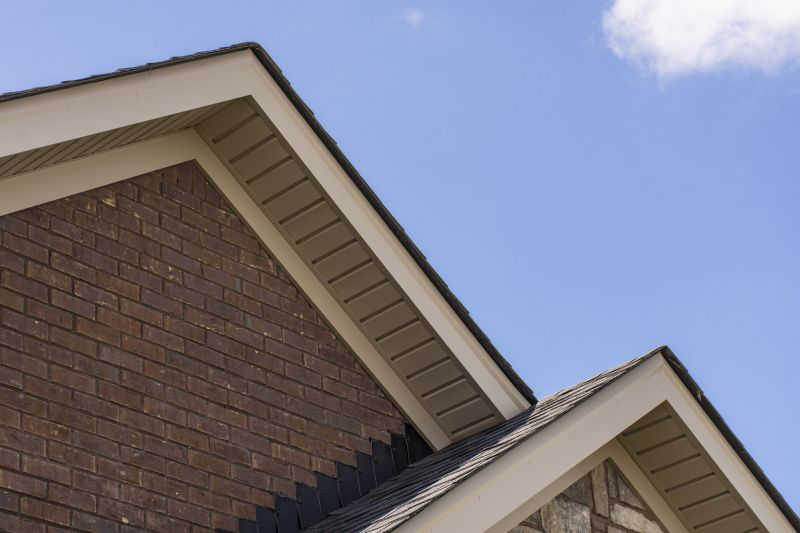
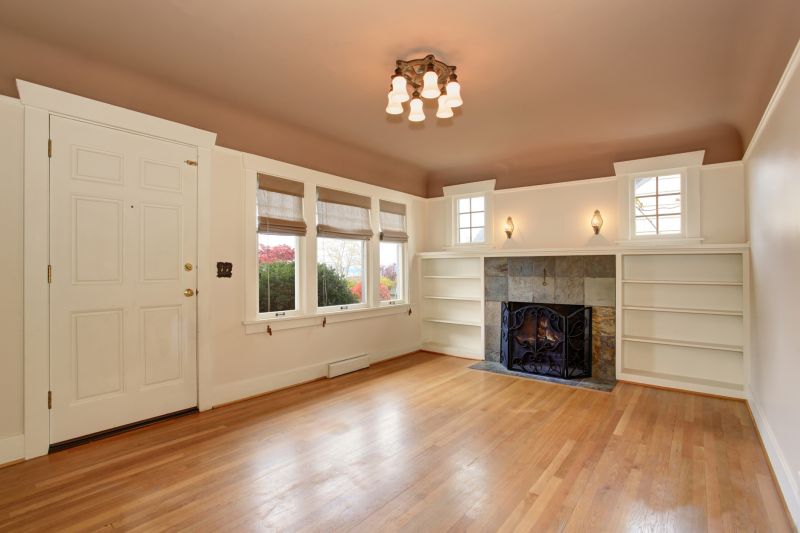
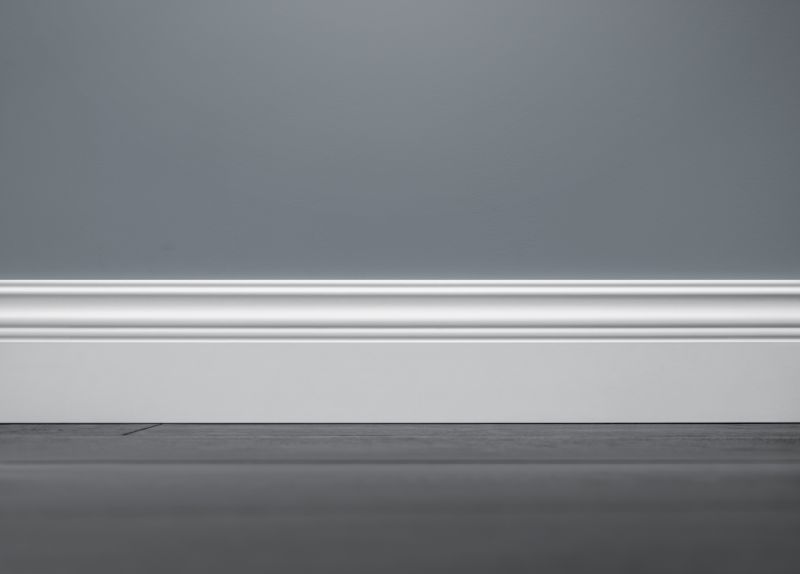
Residential trim installation services involve adding or replacing decorative and functional moldings around windows, doors, ceilings, and floors within a home. This work enhances the aesthetic appeal of interior spaces by providing clean, finished edges and architectural detail. Skilled service providers can handle tasks such as installing crown molding, baseboards, wainscoting, chair rails, and door casings, ensuring these elements are properly aligned and securely affixed. Properly installed trim not only improves the overall look of a room but can also help conceal gaps, imperfections, or uneven surfaces along walls and ceilings.
This service is particularly valuable for addressing common problems like damaged or outdated trim, uneven edges, or gaps between walls and flooring. Over time, trim can become loose, chipped, or warped, detracting from a home's appearance and potentially leading to further issues such as drafts or pest entry points. Replacing or repairing trim can restore a polished look and improve the functionality of interior spaces. Additionally, homeowners may seek trim installation during renovations or remodeling projects to update the style or match new interior designs, creating a cohesive and refined look throughout the property.
Residential properties that typically utilize trim installation services include single-family homes, townhouses, condominiums, and multi-family apartment buildings. These services are often needed in living rooms, bedrooms, kitchens, and hallways where decorative moldings can add character and value. New construction projects frequently require the installation of baseboards, crown molding, and door casings as part of the finishing process. Similarly, older homes may benefit from trim replacement to address wear and tear or to modernize the interior appearance. Overall, any residential property aiming to improve its interior aesthetic or fix existing trim issues can benefit from professional trim installation services.
Homeowners considering trim installation should recognize when their existing moldings are no longer serving their purpose or are in disrepair. Common signs include visible damage, gaps, or warping, as well as a desire to update the style for a more modern or traditional look. Whether upgrading for aesthetic reasons or repairing damage caused by moisture, settling, or accidents, local service providers can help achieve a clean, professional finish. Contacting experienced contractors ensures that the work is performed efficiently and with attention to detail, resulting in a polished, attractive interior that complements the home's overall design.
The overview below groups typical Residential Trim Installation projects into broad ranges so you can see how smaller, mid-sized, and larger jobs often compare in your area.
In many markets, a large share of routine jobs stays in the lower and middle ranges, while only a smaller percentage of projects moves into the highest bands when the work is more complex or site conditions are harder than average.
Smaller Repairs - typical costs for minor trim repairs or replacements generally range from $250-$600. Many routine jobs fall within this middle range, depending on the materials and extent of work needed.
Mid-Size Projects - larger repairs or partial installations can cost between $600-$2,000. These projects often involve replacing multiple trim pieces or upgrading specific areas of a home’s interior.
Full Replacement - complete interior trim replacement for an entire room or home can range from $2,000-$5,000 or more. Many full projects reach into this higher tier, especially with premium materials and detailed work.
Larger, Complex Installations - extensive or custom trim work, such as crown molding or intricate designs, can exceed $5,000. These projects are less common but are handled by local contractors for specialized, high-end finishes.
Actual totals will depend on details like access to the work area, the scope of the project, and the materials selected, so use these as general starting points rather than exact figures.
Interior Wall Paneling - Local contractors skilled in trim installation can also handle interior wall paneling projects, ensuring seamless finishes and precise fitting.
Crown Molding Installation - Installing decorative crown molding requires similar carpentry skills, tools, and planning as residential trim work.
Door and Window Casings - Properly fitting door and window casings involves detailed carpentry techniques comparable to trim installation.
Baseboard and Wainscoting - Installing baseboards and wainscoting shares techniques and tools with general residential trim projects.
Custom Built-ins and Shelving - Crafting custom built-ins involves precise carpentry skills akin to those used in residential trim installation.
Fireplace Mantels - Installing or refurbishing fireplace mantels requires detailed woodwork skills similar to those needed for trim and molding projects.
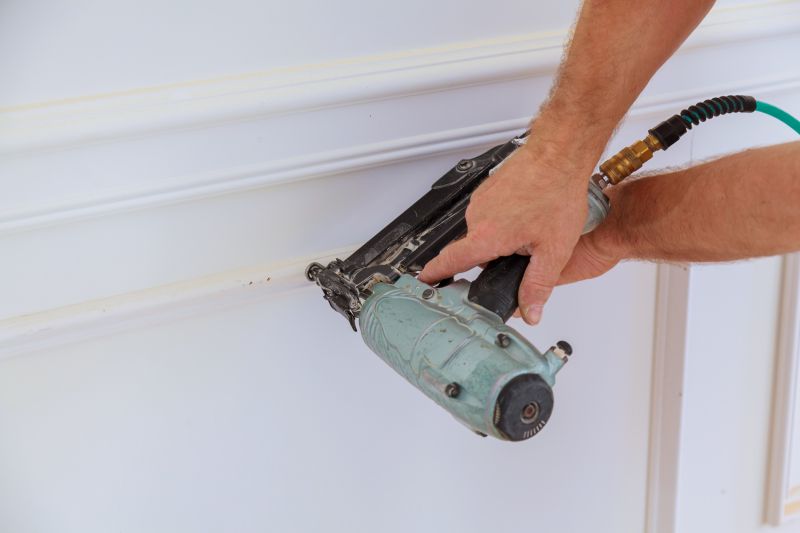
When evaluating service providers for residential trim installation, it’s important to consider their experience with similar projects. Homeowners should look for local contractors who have a proven track record of handling projects comparable in scope and style to their own. This can provide confidence that the professional understands the specific requirements involved, including the materials used and the intricacies of working within a home’s existing design. An experienced pro is more likely to deliver quality results efficiently and handle any unexpected challenges that may arise during the installation process.
Clear written expectations are essential when comparing local pros for trim installation. Homeowners should seek providers who can offer detailed descriptions of their services, including the scope of work, materials, and any preparations needed. Having this information in writing helps ensure everyone is on the same page and reduces the potential for misunderstandings. It also provides a basis for evaluating proposals and making informed decisions based on the professionalism and transparency of each contractor’s communication.
Reputable references and good communication are key indicators of a reliable service provider. Homeowners are encouraged to ask potential local contractors for references from past clients who had similar projects completed. This feedback can reveal insights into the quality of workmanship, punctuality, and overall professionalism. Additionally, choosing a provider who communicates clearly and promptly can make the process smoother, from initial inquiries through project completion. While the site connects homeowners with local pros, it’s important to verify these qualities directly to ensure the best match for the project’s needs.
Property owners use Residential Trim Installation services for practical projects around their homes and businesses. This guide focuses on everyday jobs and straightforward project options.
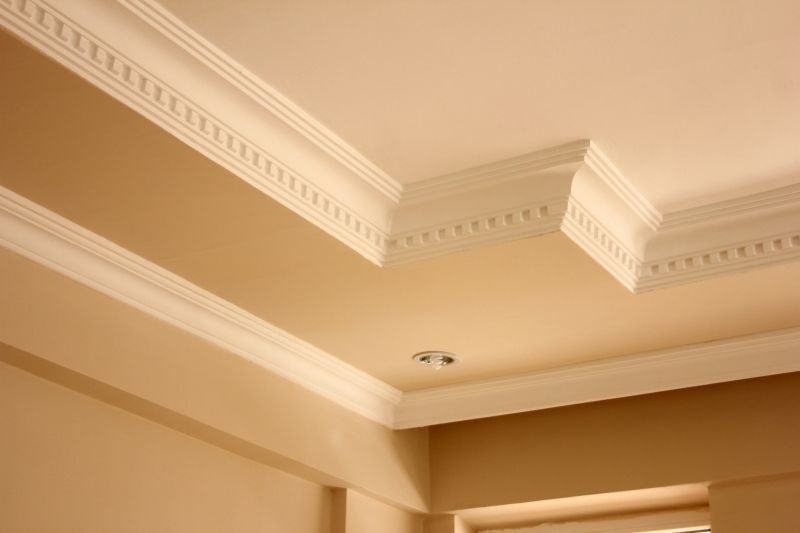

Residential trim installation is a common project for property owners looking to enhance the appearance and functionality of their homes. Whether updating worn-out baseboards, adding decorative moldings, or finishing new construction, local contractors can help improve interior aesthetics and protect walls from damage. Homeowners often seek these services during renovations, remodeling, or when preparing a property for sale, aiming to create a polished and cohesive look throughout their living spaces.
Many property owners turn to local service providers for trim installation due to the variety of styles and materials available, allowing for customization to match existing decor or personal preferences. Additionally, those experiencing issues like gaps, cracks, or damage to existing trim may look for professional assistance to ensure a clean, precise fit. Connecting with experienced local contractors can make the process smoother and result in a finished product that enhances the home's overall appeal.
What types of residential trim can local contractors install? Local service providers typically handle a variety of trim installations including baseboards, crown molding, door and window casings, chair rails, and wainscoting to enhance interior spaces.
How do local contractors ensure a proper fit for trim pieces? Contractors measure accurately and select appropriate materials to ensure trim fits seamlessly with existing walls and architectural features.
Can residential trim installation improve the appearance of a home? Yes, professional trim installation can add aesthetic value by providing clean lines and a finished look to interior rooms.
What materials are commonly used for residential trim? Common materials include wood, MDF, polyurethane, and PVC, chosen based on durability, style, and application needs.
Do local service providers handle both interior and exterior trim installation? Many contractors offer both interior and exterior trim services, including soffits, fascia boards, and decorative moldings.
Interior Door Trim Installation - Enhance the look of living rooms, bedrooms, or hallways by adding new or replacing existing door trim with the help of local contractors.
Crown Molding and Trim Accents - Improve the aesthetic appeal of a space by having local service providers install crown molding or decorative trim in key rooms.
Baseboard and Wainscoting Upgrades - Update or add baseboards and wainscoting to protect walls and create a polished finish in common areas.
Custom Trim Projects - Complete unique or detailed trim projects such as built-in shelving or architectural accents with the assistance of experienced local contractors.
If you are thinking about Residential Trim Installation for a property, this guide is meant to help you understand the work, the typical project types, and how different options might fit your plans.
When you are ready, you can use the quote form on this page to share a few details about your project. From there, local pros can review the basics and respond with options that match what you have in mind.